


How mobile health apps can improve care and reduce costs
Patients and providers use different types of mobile health technology, including mobile health apps, mobile-enabled patient portals and telemedicine, to improve medical care and streamline administrative tasks.
Mobile health is part of the wider “eHealth” movement, which is using technology such as computers, mobile phones, mobile health apps and patient monitors for health services and information. Both mobile health and eHealth help providers get the information they need to improve health care outcomes and lower costs.
Mobile health apps for providers. Mobile health apps are programs that can be uploaded onto a smartphone or tablet. Providers use mobile health apps for clinical decision support around the time of a patient’s visit. For example, providers can use mobile health apps to perform searches or access clinical reference tools such as Epocrates®. Mobile health apps also help providers monitor and follow up with patients. For example, some mobile health apps use GPS technology to track a patient’s movement for a specified period, generate questions about the patient’s well-being, and include regular reminders to report or measure symptoms.
Mobile health apps for consumers. In addition, there has been explosive growth in mobile health apps for consumers. Some estimates predict 500 million patients will be using mobile health apps by the year 2015. Apple, Google and Microsoft are all trying to market new products that use mobile health apps in combination with fitness trackers like Fitbit® or Nike+ FuelBand® to bring health information to a central source that can be accessed by providers. While there are concerns about the accuracy and unregulated status of mobile health apps for consumers, this is a promising and rapidly developing area.
Patient portals. Mobile-enabled patient portals make it easier for providers, staff and patients to communicate. They allow patients to check test results, refill prescriptions, review their medical record, view education materials and even check in for appointments—all from their mobile devices. HIPAA compliant email even allows patients to use their mobile devices to communicate with their providers through their patient portals. These features streamline administrative tasks such as registration, scheduling appointments, and patient reminders, and empower patients to easily and securely connect with their providers while on the go.
Mobile-enabled EHRs. Providers can access mobile-enabled EHRs anytime and anywhere on their smartphones, tablets and other mobile devices. This helps providers use time more productively in and out of the office to accomplish tasks like updating patient charts, keeping up with e-mail (including HIPAA compliant e-mail through patient portals) and prescribing medications.
Secure text messaging (STM). STM helps providers securely exchange text and picture messages between mobile devices and office workstations. STM ensures that the information shared is in compliance with HIPAA and HITECH Act requirements for protecting health information. Messages (text and pictures) that are sent and received with STM are encrypted while they are being transmitted to and from a device or workstation.
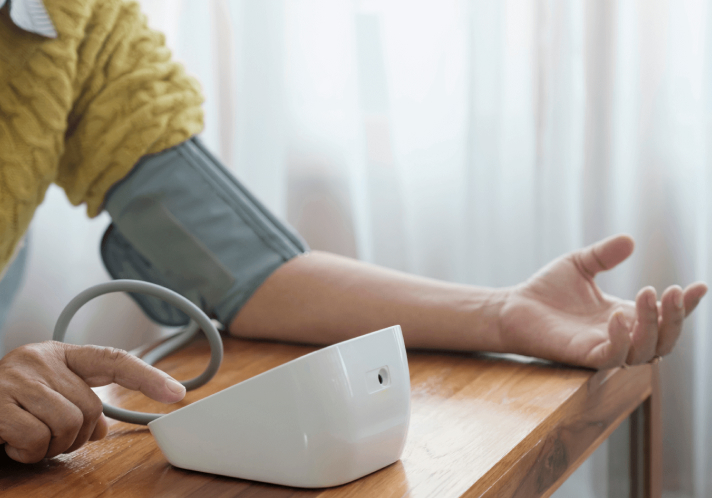
Patient monitoring devices. There is a lot of interest in using mobile health apps and wearable sensors for remote health monitoring and to improve patient compliance with treatment recommendations. Many companies are developing products that measure biological factors (such as blood pressure, weight, and glucose) and behaviors (such as mobility and taking medication), then store that information in a secure place, accessible by providers.
This can help providers keep track of patients—particularly those with chronic illness—who are at risk for serious health events. For example, a device could pick up elevated blood pressure or glucose and alert the provider before the patient has to be sent to a hospital. However, establishing and getting paid for remote monitoring remains a challenge, especially for small and solo independent practices.
Telemedicine. With cloud-based health information technology (HIT), and other technology such as two-way video, providers can review lab results in real time, see patients, and prescribe treatment. Telemedicine offers important benefits, such as better access to health care for isolated populations, better preventive care and reduced costs of care. When bringing telemedicine into your practice, it is important to stay focused on fostering dialogue, interactions and trust with patients. Use technology that makes care the focus, instead of getting in the way and becoming the focus itself.
More patient communication resources


- athenahealth
- October 13, 2021
- 2 min read
How mobile health technology improves outcomes
Continue exploring

Read more actionable insights
Get thought leadership, research, and news about the business of healthcare.


